
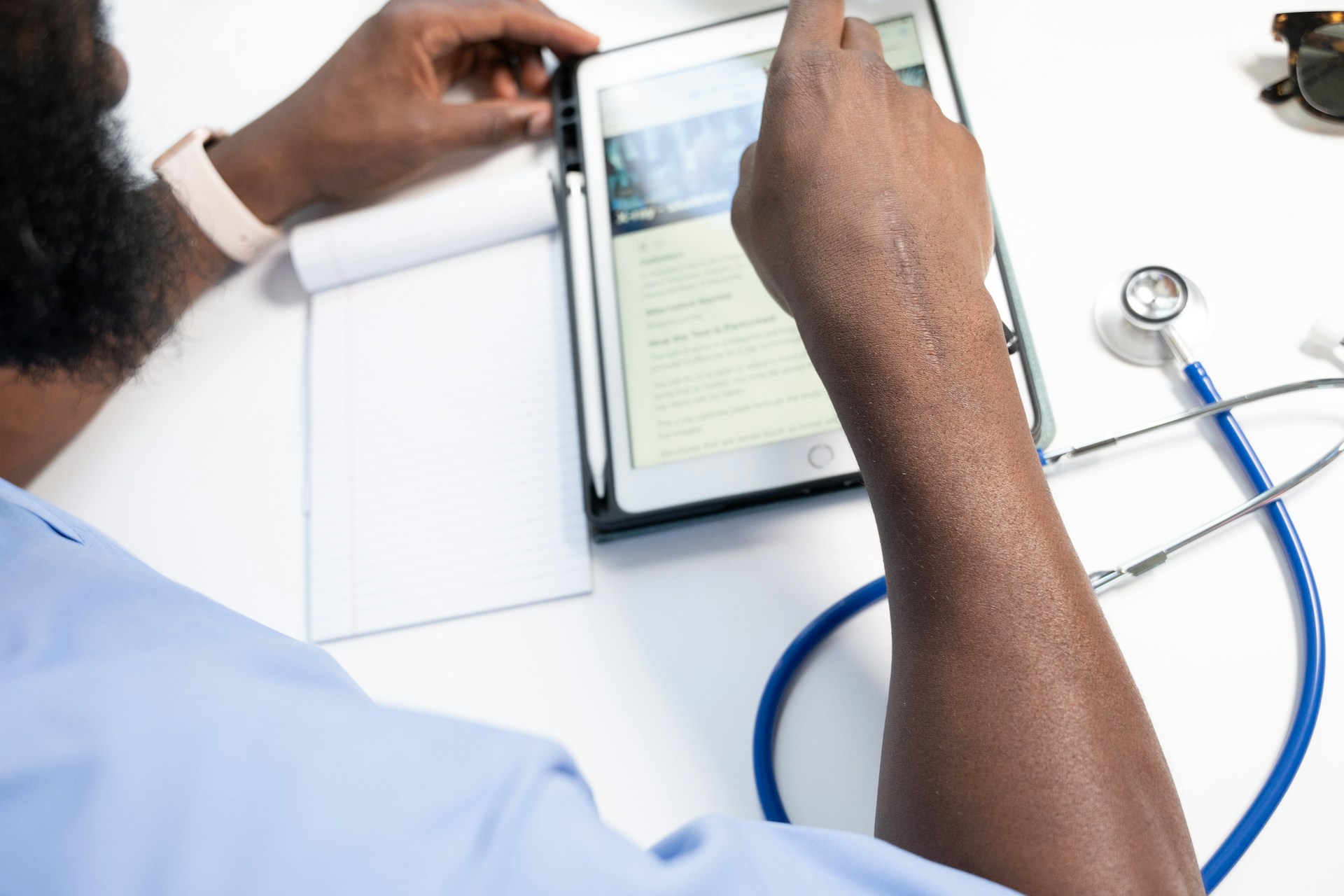
Telemedicine platforms are reshaping maternal-fetal medicine by connecting high-risk patients with board-certified specialists 24/7.
Solutions like Obtelecare reduce patient transfers, keep families close to home, and support local referring providers with real-time, expert consultations, dramatically improving maternal health outcomes.
Navigating a high-risk pregnancy is a stressful experience for expecting mothers, their families, and local healthcare providers.
Access to specialized care is often limited by geography, leaving many rural and community hospitals without immediate access to maternal-fetal medicine (MFM) experts. This gap in care frequently forces patients to travel long distances or endure stressful transfers to larger facilities during critical moments.
Fortunately, the healthcare landscape is shifting. Telehealth technologies now allow hospitals to bridge the gap between local providers and remote specialists. By delivering expert consultations directly to the patient’s bedside, health systems can ensure that specialized maternal care is no longer restricted by zip code.
Born from the trusted leadership of the Ob Hospitalist Group and backed by a network of over 2,000 OB clinicians, Obtelecare represents a major shift in how maternal-fetal medicine is delivered.
Through dedicated tele-MFM solutions, hospitals can empower their clinicians to practice with purpose while keeping vulnerable patients safe and close to home.
How Is Telehealth Changing Maternal-Fetal Medicine?
The traditional model of maternal-fetal medicine heavily relies on patients traveling to urban medical centers. Telehealth removes this barrier entirely.
Expanding Access to Remote Regions
Patients in rural areas face significant hurdles when securing high-risk obstetric care. Telemedicine networks connect these underserved hospitals directly with board-certified MFM specialists.
This immediate connection ensures that every expecting mother receives top-tier medical guidance regardless of her location.
Keeping Patients Local
When a hospital lacks an on-site MFM specialist, they often transfer high-risk mothers to distant facilities.
Telehealth allows community hospitals to manage complex cases locally. Staying in a familiar environment reduces stress for the patient and keeps essential healthcare revenue within the local community.
What Are the Key Benefits of Virtual Maternity Care?
Implementing a telehealth strategy provides immediate operational and clinical advantages. The integration of virtual maternity care into standard hospital protocols creates a safety net for both patients and staff.
Providing Real-Time Support for Local Doctors
Referring providers often need secondary opinions during emergent obstetric situations. Tele-MFM platforms deliver immediate, real-time consultations. This rapid collaboration helps local obstetricians make fast, evidence-based decisions when every minute counts.
Empowering Clinicians With Flexible Workflows
Telemedicine does not just benefit patients; it provides immense value to medical professionals. Specialists can manage cases across multiple facilities without the physical strain of constant travel. This flexibility helps combat physician burnout and allows specialists to maximize their impact.
Why Is Women’s Health Innovation Essential Today?
Maternal mortality and severe morbidity rates highlight the urgent need for systemic changes in obstetrics. Relying on outdated care models is no longer sufficient to protect high-risk mothers.
Bridging Critical Care Gaps
Many health systems struggle with staffing shortages and budget constraints. True women’s health innovation addresses these resource gaps by utilizing technology to distribute medical expertise efficiently.
Telehealth platforms scale specialty care so that a single MFM expert can support multiple community hospitals simultaneously.
Enhancing Patient Safety and Outcomes
Delayed interventions in high-risk pregnancies can lead to severe complications. By facilitating immediate specialist evaluations, telemedicine drastically reduces wait times for critical diagnoses. Faster diagnosis directly correlates with improved maternal and fetal outcomes.
How Do Obtelecare Services Support Health Systems?
Specialized platforms are designed specifically to integrate with existing hospital operations. The strategic deployment of Obtelecare services offers a comprehensive solution for facilities facing MFM shortages.
Guaranteeing 24/7/365 Availability
High-risk pregnancy complications do not adhere to standard business hours. Comprehensive tele-MFM solutions ensure that board-certified maternal-fetal medicine specialists are available around the clock. Key offerings include:
- Continuous access to specialized consultations.
- Support for urgent maternal care scenarios during nights and weekends.
- Immediate review of maternal and fetal vital signs.
Delivering Seamless Hospital Integration
A successful telehealth program must operate smoothly within a hospital’s existing framework. Dedicated tele-MFM providers partner closely with facility leadership to establish protocols, integrate software, and train local staff, ensuring the technology enhances rather than disrupts daily workflows.
How Can Facilities Implement Tele-MFM Effectively?
Adopting a new care model requires careful planning and strategic alignment between hospital administration and technology partners.
Assessing Clinical Needs
Before launching a telehealth program, hospitals must evaluate their current transfer rates, patient demographics, and specialty coverage gaps. Understanding these metrics helps facilities tailor the tele-MFM solution to their specific operational deficits.
Establishing Strong Technological Partnerships
Choosing the right telehealth partner is critical. Facilities should look for solutions backed by extensive clinical networks and proven leadership in maternal health. A strong partner will provide ongoing support, continuous quality improvement, and robust data security protocols.
What Does the Future Hold for High-Risk Pregnancies?
As technology continues to evolve, the capabilities of remote maternal care will only expand, offering new ways to protect vulnerable mothers and infants.
Advancing Diagnostic Technology
Future iterations of tele-MFM will likely incorporate advanced remote monitoring tools, such as wearable fetal heart rate monitors and AI-driven diagnostic software. These tools will provide remote specialists with even richer, real-time data to inform their treatment plans.
Achieving Broader Demographic Reach
The ultimate goal of telehealth is universal access to care. As broadband infrastructure improves and telehealth regulations become more standardized, tele-MFM will reach even the most isolated communities, ensuring that high-risk maternal care is a standard right rather than a geographic privilege.
A Safer Future for Mothers and Babies
The integration of advanced telehealth into maternal-fetal medicine is fundamentally changing how healthcare systems protect high-risk pregnancies. By prioritizing immediate access to specialists, reducing the need for stressful patient transfers, and supporting local clinicians, hospitals can dramatically elevate their standard of care.
Embracing these remote solutions empowers facilities to overcome regional staffing shortages and deliver top-tier medical expertise directly to the bedside. For healthcare leaders and clinicians looking to enhance their obstetric departments, exploring dedicated tele-MFM partnerships is the most effective next step toward building a safer, more resilient maternal care network.
Subscribe To Get Update Latest Blog Post
No Credit Card Required