

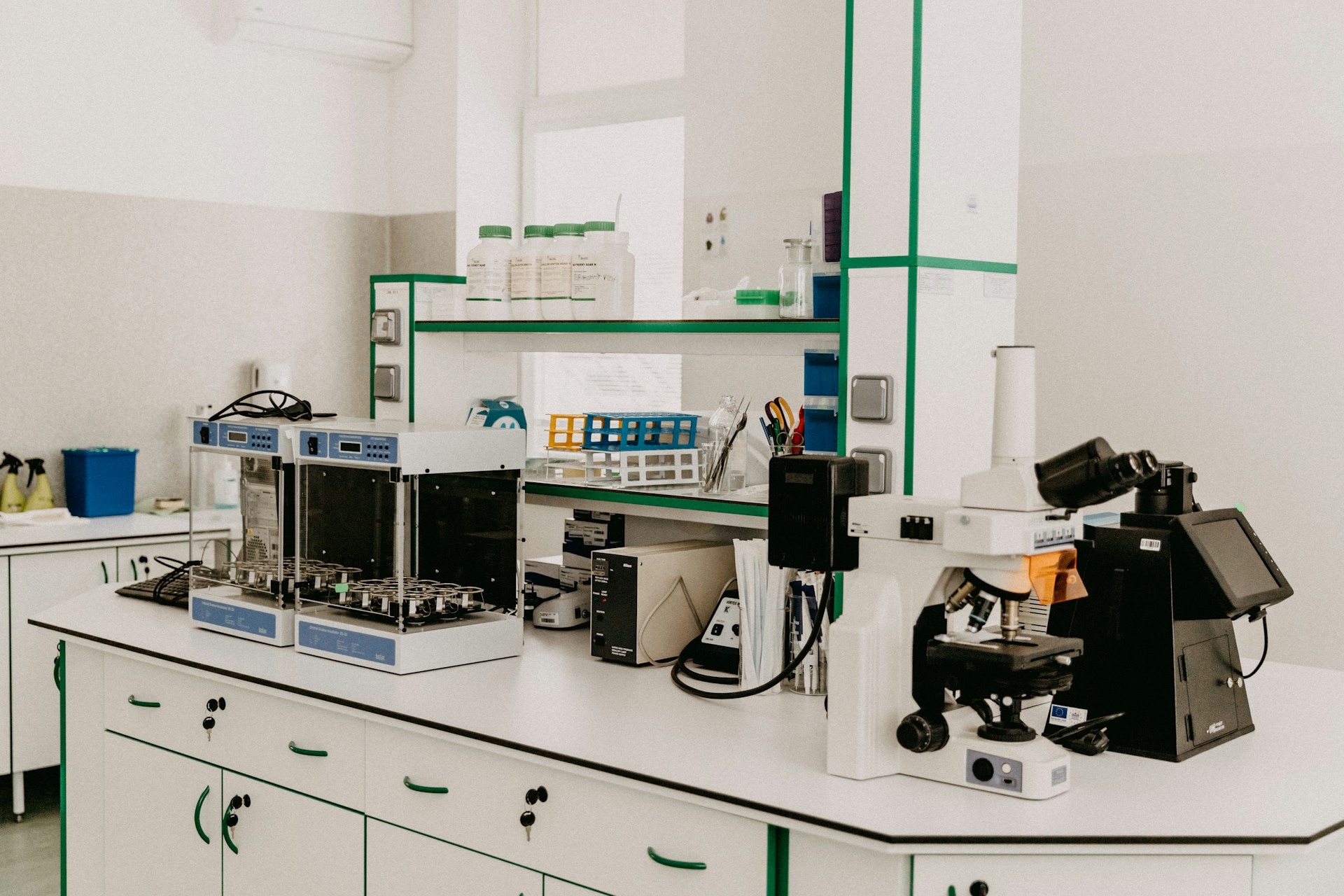
Laboratory efficiency depends on reliable equipment that delivers consistent results while adapting to diverse research needs. When conducting cell cultures, extraction procedures, or pharmaceutical testing, the right tools make all the difference between smooth operations and frustrating setbacks.
Open-air shakers have become essential components in modern laboratories, offering versatility and precision across multiple applications. These devices provide the controlled agitation necessary for mixing, culturing, and testing processes that form the backbone of scientific research.
From life science applications to quality control in pharmaceutical development, the right shaker can dramatically improve both productivity and accuracy.
Understanding the various types of open air shakers and their specific capabilities helps laboratory managers make informed decisions about their lab instrumentation investments. This guide explores how different shaker models address distinct laboratory challenges and contribute to more efficient workflows.
Understanding Open Air Shaker Technology
Open-air shakers operate on fundamental mechanical principles that generate consistent motion patterns. The core components include a drive mechanism, motor assembly, and platform designed to accommodate various vessel types and sizes.
Key Components and Mechanisms
Modern shakers utilize triple eccentric drives with permanently lubricated ball bearings that ensure smooth, reliable operation. Maintenance-free, brushless DC motors provide continuous duty operation without the downtime associated with traditional motor designs.
These engineering choices translate directly into reduced maintenance costs and improved uptime. Microprocessor control systems represent a significant advancement in shaker technology.
Digital models display the last setpoint and automatically restart following power interruptions, protecting valuable samples from disrupted protocols. The gradual speed ramping feature prevents splashing, which is particularly crucial when working with hazardous materials or expensive reagents.
Motion Patterns and Their Applications
Different motion patterns serve specific laboratory needs:
- Orbital motion creates a circular path ideal for cell cultures and general mixing applications
- Reciprocating motion delivers a back-and-forth action with a 19 mm stroke length, perfect for extraction procedures
- Rocking motion provides a seesaw-like movement suitable for gentle mixing
- Waving motion offers smooth, three-dimensional movement that minimizes foaming
Each motion type affects sample behavior differently, making pattern selection critical for protocol success.
Light Duty Orbital Shakers for Routine Applications
Light-duty orbital shakers handle everyday laboratory tasks with efficiency and precision. These units excel in applications requiring consistent, moderate agitation without excessive force.
Features and Capabilities
Variable speed microprocessor control ensures uniform shaking action across the entire speed range. The system’s ability to slowly increase speed to the desired setpoint prevents sample spillage and maintains protocol integrity.
Digital models incorporate overload protection with audible and visual signals that activate when the system detects obstructions or tray overload.
Ideal Use Cases
Light-duty models work well for:
- Cell culture maintenance in standard flasks
- Routine mixing of solutions
- Incubation of bacterial cultures
- Educational laboratory settings
- Research applications with lighter sample loads
These shakers typically accommodate vessels ranging from small test tubes to 250mL flasks, making them versatile choices for general-purpose laboratory work.
Heavy Duty Orbital Shakers for Demanding Protocols
When protocols demand robust performance and substantial load capacity, heavy-duty orbital shakers deliver the necessary power and stability. With capacities ranging from 35 to 150 pounds and over 70 accessory options, these units handle challenging applications that would overwhelm lighter models.
Enhanced Performance Features
Heavy-duty shakers incorporate reinforced drive mechanisms and structural components designed for continuous operation under demanding conditions.
Both analog and digital models offer microprocessor control for variable speed operation with consistent ramping to set speeds. Built-in trays and non-slip rubber mats come standard, providing secure sample positioning.
The microprocessor memory function stores the last setpoint and enables automatic restart after power interruptions, protecting long-running experiments from disruption. This feature proves invaluable during overnight protocols or multi-day incubations.
Applications Requiring Heavy-Duty Performance
These shakers excel in:
- Large-scale cell culture operations
- Pharmaceutical testing with multiple sample vessels
- Industrial quality control procedures
- Research protocols requiring extended run times
- Applications with high-volume or heavy sample loads
The extensive accessory options allow customization for specific vessel types, from large carboys to specialized flask holders.
Extreme Environment Shakers for Specialized Conditions
Certain applications require precise environmental control alongside mechanical agitation. Extreme environment shakers address these needs by operating reliably inside CO2 incubators and other controlled atmospheres.
Design for Harsh Conditions
These specialized units feature separated control and drive components. A remote controller magnetically attaches to the exterior of most incubators, allowing operators to adjust settings without disrupting the internal environment. The shaker base operates inside the incubator, maintaining optimal conditions for cell growth.
Microprocessor control ensures consistent shaking while safely ramping to set speeds, preventing disturbance to sensitive cell cultures. The corrosion-resistant construction withstands high humidity and CO2 concentrations without degradation.
Critical Applications
Extreme environment shakers support:
- Mammalian cell culture requires CO2 and humidity control
- Stem cell research protocols
- Tissue engineering applications
- Any procedure demanding simultaneous environmental and mechanical control
The ability to maintain precise conditions while providing controlled agitation makes these units indispensable for advanced cell culture work.
Rocking and Waving Shakers for Gentle Agitation
Some samples require gentler handling than traditional orbital motion provides. Rocking and waving shakers deliver specialized motion patterns that minimize stress on delicate samples while ensuring thorough mixing.
Motion Characteristics
Rocking shakers provide a seesaw-like motion that gently tilts samples back and forth. This pattern works well for applications requiring minimal shear forces.
Waving shakers create a smooth, three-dimensional wave motion that produces low-foaming agitation—ideal for samples prone to foam formation or air entrainment.
Both types offer precise speed control through microprocessor-driven digital models or more economical analog versions. All models include non-slip mats, and most support optional stacking trays for increased capacity.
Specialized Applications
These shakers prove valuable for:
- Blotting procedures in molecular biology
- Staining and destaining protocols
- Washing procedures requiring gentle agitation
- Applications with foam-sensitive samples
- Protocols demanding minimal mechanical stress
The reduced mechanical forces help preserve sample integrity during extended processing times.
Reciprocating Shakers for Extraction and Mixing
Reciprocating shakers deliver a distinctive back-and-forth motion that excels in extraction procedures and applications requiring linear agitation patterns. The 19 mm stroke length provides effective mixing without the circular path of orbital models.
Technical Specifications
Microprocessor control maintains consistent, uniform shaking action throughout extended protocols. Permanently lubricated ball bearings and maintenance-free brushless DC motors ensure reliable continuous duty operation.
Touchpad controls with independent LEDs for speed and time settings allow operators to view all parameters simultaneously.
The timer function displays elapsed time or, when programmed, counts down and automatically stops at zero. This automation capability supports unattended operation and helps standardize procedures across multiple operators.
Optimal Use Cases
Reciprocating shaker handle:
- Solvent extraction procedures
- Soil and environmental sample preparation
- Pharmaceutical dissolution testing
- Cell culture applications benefiting from linear motion
- Any protocol specifying reciprocating agitation
The linear motion pattern provides different fluid dynamics compared to orbital mixing, making these shakers essential for specific analytical methods.
Selecting the Right Shaker for Your Laboratory
Choosing appropriate lab instrumentation requires careful consideration of current needs and future requirements. Several factors influence the selection process and determine which shaker type best serves your laboratory.
Assessment Criteria
Load Capacity: Calculate the total weight of vessels, samples, and accessories your protocols require. Include safety margins for future expansion.
Speed Range: Different applications demand specific speed ranges. Verify that candidate models cover your protocol requirements with adequate adjustment precision.
Motion Type: Match the motion pattern to your specific applications. Consider whether your protocols benefit more from orbital, reciprocating, rocking, or waving motion.
Environmental Requirements: Determine if your applications need operation inside controlled environments like CO2 incubators or temperature chambers.
Control Features: Decide between analog simplicity and digital precision based on your protocol complexity and documentation requirements.
Accessory Compatibility: Evaluate available accessories for vessel types you commonly use. Platform size and accessory options significantly affect versatility.
Making the Investment Decision
Quality lab instrumentation represents a significant investment that impacts laboratory productivity for years.
Consider the total cost of ownership, including maintenance requirements, energy consumption, and expected service life. Equipment with brushless motors and permanently lubricated bearings typically offers lower lifetime costs despite higher initial prices.
Warranty coverage and technical support availability should factor into your decision. Reliable vendor support becomes crucial when equipment issues threaten to disrupt critical protocols.
For laboratories seeking to explore their options and find equipment perfectly matched to their requirements, Johnson Scale Co. offers comprehensive support in selecting appropriate solutions. You can learn more about available options and their specific capabilities.
Maximizing Efficiency Through Proper Implementation
Selecting the right equipment represents only the first step. Proper implementation and ongoing optimization ensure that your investment delivers maximum value throughout its service life.
Installation and Setup Best Practices
Position shakers on stable, level surfaces away from vibration sources that might interfere with operation. Ensure adequate clearance around units for airflow and maintenance access.
When using multiple shakers, coordinate placement to minimize mutual interference while maintaining efficient workflow patterns.
Calibrate speed and timer settings according to manufacturer specifications before beginning protocol work. Document baseline performance metrics to establish reference points for future troubleshooting.
Maintenance Protocols
Even maintenance-free motors and bearings benefit from regular inspection. Establish routine schedules for:
- Visual inspection of drive components
- Verification of speed accuracy
- Testing of safety features and overload protection
- Cleaning of platforms and trays
- Checking electrical connections and control interfaces
Proper maintenance extends equipment life and prevents unexpected downtime during critical experiments.
Training and Documentation
Comprehensive operator training ensures consistent results and prevents equipment damage from improper use. Document standard operating procedures specific to your laboratory’s applications, including:
- Speed and timer settings for common protocols
- Proper loading procedures and weight limits
- Troubleshooting steps for common issues
- Safety precautions for hazardous materials
- Cleaning and decontamination protocols
Well-trained operators maximize equipment capabilities while minimizing the risk of errors or accidents.
Advancing Laboratory Capabilities
Modern open-air shakers represent sophisticated tools that significantly impact laboratory efficiency and research quality. From light-duty models handling routine tasks to specialized units operating in extreme environments, these devices provide the controlled agitation essential for countless scientific procedures.
Matching shaker capabilities to specific applications ensures optimal performance across diverse laboratory needs. Whether conducting pharmaceutical testing, cell culture research, or analytical extractions, the right equipment choice streamlines workflows and improves result consistency.
Strategic investment in quality lab instrumentation pays dividends through enhanced productivity, reduced maintenance costs, and improved experimental outcomes.
As laboratory requirements evolve, versatile shaker platforms with extensive accessory options provide the flexibility needed to adapt to changing research priorities.
By carefully evaluating application requirements, load capacities, and control features, laboratories can select equipment that serves immediate needs while accommodating future growth. Proper implementation and maintenance practices then ensure that these investments deliver reliable performance throughout their service lives.
Subscribe To Get Update Latest Blog Post
No Credit Card Required