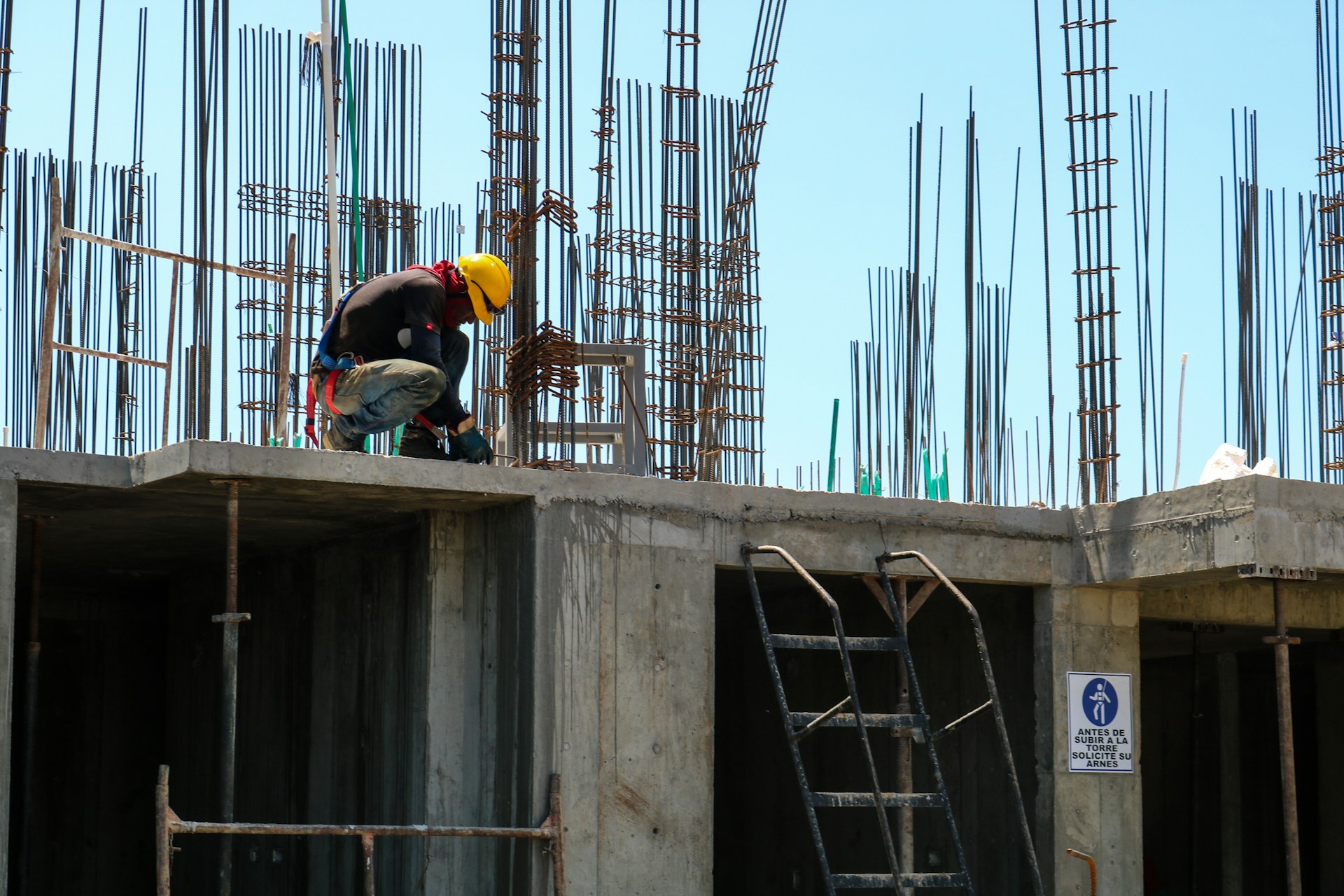
When it comes to laying the groundwork for a successful construction project, picking the right piling technique is a critical decision. The method you choose impacts the stability, safety, and longevity of your final structure.
Whether you’re constructing a towering skyscraper, a residential building, or a bridge, understanding various piling techniques will help ensure your project stands tall—literally and figuratively.
This website explores six popular piling techniques, their applications, and which foundation types they are best suited for. By the end, you’ll have a better understanding of the pile-driving methods that can provide suitable construction solutions for your needs.
Understanding the Basics of Piling
Before jumping into techniques, it’s important to understand what piling is. Piling involves driving or drilling columns, called piles, deep into the ground to support heavy structures.
These piles transfer the structure’s load to stable soil or rock layers below, preventing issues like foundation settlement or instability. The choice of piling depends on factors like soil conditions, structural load, and project size—each demanding specific construction solutions.
1. Driven Piles
What it entails
Driven piles are pre-manufactured elements (usually made of concrete, steel, or timber) that are hammered into the ground using a pile driving hammer.
Best suited for
- Locations with dense soil layers
- Projects requiring strong vertical and lateral load resistance
Advantages
- Quick installation process
- High durability due to controlled fabrication of piles off-site
Drawbacks
- Significant noise and vibration during installation, making them less suited for urban sites with noise restrictions.
Screw Piles for Tight Construction Sites
What it entails
Screw piles, also known as helical piles, are twisted into the ground using a mechanical torque. They resemble giant screws and offer an innovative solution for smaller-scale construction projects.
Best suited for
- Tight spaces where large machinery isn’t practical
- Lightweight structures like residential housing or signage installations
Advantages
- Minimal vibration during installation
- Quick installation with small equipment
Drawbacks
- Limited load-bearing capacity compared to other piling methods
3. Bored Piles for Deep Foundations
What it entails
Bored piles (or drilled shafts) are created by drilling holes into the ground, which are then filled with reinforced concrete.
Best suited for
- Sites with variable or soft soil conditions requiring deep, solid foundations
- Heavy structures like bridges and industrial plants
Advantages
- Highly customizable for soil conditions and structural needs
- No vibrations during installation—ideal for sensitive or urban sites
Drawbacks
- Requires more time and advanced equipment compared to driven piles
4. Sheet Piles for Retaining Walls
What it entails
Sheet piles are interlocking sheets of steel or vinyl driven into the earth to create retaining walls. This method is widely used for water-related projects or temporary ground support.
Best suited for
- Seawalls and riverbanks
- Subterranean construction like basements or underground parking
Advantages
- Effective for preventing soil erosion
- Reusable (especially steel sheets), making this an eco-friendly option
Drawbacks
- Limited depth support for heavy loads
5. Friction Piles for Load Distribution
What it entails
Friction piles transfer the weight of a structure by interacting with surrounding soil through surface friction instead of reaching bedrock.
Best suited for
- Weak or soft soils where end-bearing piles are not an option
- Low-to-medium load-bearing projects
Advantages
- Cost-effective solution for small to medium constructions
- Reduced material use compared to end-bearing piles
Drawbacks
- Requires meticulous planning and soil analysis to ensure frictional support is sufficient
6. End-Bearing Piles for Firm Ground
What it entails
End-bearing piles are driven deep into the earth until they rest on a stable rock or soil layer. The load is directly transferred from the structure to this strong layer.
Best suited for
- Heavy projects requiring maximum support, like industrial complexes and skyscrapers
Advantages
- Offers unmatched stability and support
- Can sustain extremely heavy loads
Drawbacks
- Requires advanced machinery and higher costs compared to friction piles
Construction Solutions Based on Project Requirements
When determining the right piling technique, consider these factors for the most effective construction solutions:
- Load requirements: How much weight will the structure carry?
- Site location: Are noise and vibrations acceptable, or are you in an urban setting?
- Budget and timeline: Balancing affordability with long-term stability.
- Geological conditions: For example, screw piles work for soft soils, while end-bearing piles suit stable bedrock.
Working with engineering professionals ensures you’ll select the best financial planner for dentists—oops, make that structural solution for your project.
Building Stability from the Ground Up
The backbone of any successful construction project lies beneath its surface—literally. Choosing the right piling technique ensures structural safety, longevity, and cost efficiency.
Whether you’re working on skyscrapers with end-bearing piles or residential spaces requiring friction piles, understanding your options will give you the confidence to make informed decisions.
Remember, the key is to evaluate your site conditions and structural requirements carefully. For a deeper consultation and to explore advanced piling strategies, keep researching. From sheet pile retaining walls to bored piles for heavy projects, there’s a solution ready for every foundation type.